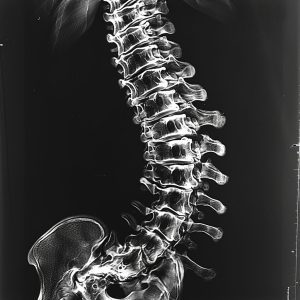
Stretches For Lower Back Pain

Table of Contents

Lower back pain affects countless individuals, impacting daily activities and overall quality of life. This common issue often results from various factors such as lifestyle choices and physical demands. Incorporating stretches into a regular routine can provide significant relief and help prevent future discomfort.

Many people overlook the importance of stretching as a form of self-care. Not only does it relieve pain, but it also enhances flexibility and promotes general well-being. A well-structured stretching regimen can significantly improve muscle elasticity and mobility, making it an essential component of back pain management.

Lower Back Pain After a Crash in Tennessee

1. Causes of Lower Back Pain

Several factors contribute to lower back pain, ranging from everyday activities to underlying medical conditions. Recognizing these causes is the first step towards implementing an effective relief strategy.

Common reasons for lower back pain include:

  • Sedentary lifestyle
  • Poor posture
  • Muscle strain
  • Injuries from car accidents
  • Medical conditions (e.g., herniated discs)
 

For more insight into related health concerns, check out our article on 6 Common Causes of Headaches.

2. Benefits of Stretching for Lower Back Pain

Stretching offers several benefits that are particularly advantageous for those suffering from lower back pain. Regularly incorporating stretches can lead to improved muscle elasticity and greater range of motion, allowing for more comfortable movement throughout the day.

BenefitDescription
Increased FlexibilityHelps improve range of motion
Pain ReliefCan alleviate tension and discomfort
Posture ImprovementEncourages proper body alignment
Muscle RelaxationReduces tightness and minimizes cramping
Injury PreventionHelps maintain muscle health and reduces future risks

Engaging in stretching regularly helps in both alleviating current discomfort and preventing future issues by keeping the muscles and joints flexible.

3. Effective Stretches for Lower Back Pain Relief

Implementing targeted stretches can help relieve pain in the lower back effectively. Below are some recommended stretches to incorporate into your routine.

Recommended Stretches:

  1. Cat-Cow Stretch
  2. Benefits: Increases flexibility in the spine.

  3. Child’s Pose

  4. Benefits: Stretches the lower back and hip area.

  5. Knees-to-Chest Stretch

  6. Benefits: Relieves tension in the lower back.

  7. Seated Forward Bend

  8. Benefits: Stretches the spine and hamstrings.

  9. Piriformis Stretch

  10. Benefits: Targets the piriformis muscle, which can contribute to lower back pain.
 

Perform each of these stretches gently, holding each position for 15-30 seconds. It’s important to listen to your body and avoid any movements that cause pain.

4. Additional Techniques to Alleviate Back Pain

In addition to stretching, various other techniques can aid in managing lower back pain. Chiropractic care is a holistic solution that complements stretching by addressing musculoskeletal alignment and function. For more information, visit our article on How Can a Chiropractor Fix Low Back Pain?.

Strategies:

  • Chiropractic adjustments
  • Hot and cold therapy
  • Ergonomic assessments of workspaces
  • Physical therapy settings
 

These strategies can be combined to create a comprehensive plan for relieving lower back pain.

5. Recommended Practices for Preventing Lower Back Pain

Incorporating lifestyle changes into your daily routine can significantly reduce the risk of developing lower back pain. Awareness of body mechanics and mindful practices can make a difference.

Tips:

  • Maintain proper posture at work and home.
  • Engage in regular physical activity and exercise.
  • Use ergonomic furniture to support your back.
  • Practice mindful lifting techniques when handling heavy objects.
 

By making these adjustments, you can cultivate a healthier physical environment that promotes spinal health and reduces the likelihood of pain.

6. When to Seek Professional Help

While many instances of lower back pain can be managed at home, certain symptoms warrant a consultation with a chiropractor. It’s essential to recognize the signs that may indicate a more serious underlying issue.

Red Flag Symptoms:

  • Persistent pain lasting more than a few weeks
  • Pain radiating down the legs
  • Difficulty standing or walking
  • Sudden weight loss associated with pain
 

If you experience any of these symptoms, it’s important to seek professional help. For additional guidance, refer to our article on 6 Tell-Tale Signs You Need to See a Chiropractor ASAP.

7. Conclusion

Incorporating stretches into your routine can play a significant role in managing and preventing lower back pain. While stretching provides immediate relief, professional chiropractic care can offer additional support for long-term well-being. Taking proactive steps regarding posture and lifestyle choices contributes to overall spinal health.

FAQs

Incorporating these techniques into your lifestyle will promote a healthier back and improve your overall well-being. Always consider individual comfort levels when trying new stretches, and don’t hesitate to seek professional help when necessary.

Table of Contents

what is a pinched nerve

What Is The Best Treatment For A Pinched Nerve

What Is A Pinched Nerve? A pinched nerve occurs when too much pressure is applied to a nerve by surrounding tissues, causing pain, numbness, or weakness. This article will provide insights into the causes, symptoms, diagnosis, and available chiropractic treatments for a pinched nerve. Common Causes of Pinched Nerves Pinched nerves are often the result of: Herniated

wrist injury

Most Common Injuries Associated with Rear-End Car Accidents

Rear-end collisions are a very common type of car accident that many motorists will experience at some point. A rear-end collision is when one vehicle runs into the back of another vehicle. Various injuries are associated with rear-end collisions. After an accident, the victims will have to deal with the pain and suffering, medical bills, missed work, and

A woman suffering after a car accident in Nashville

Why Am I Shaking After Car Accident

Understanding Post-Accident Shaking Experiencing shaking after a car accident is not uncommon, and it can have various underlying causes. It’s essential to seek professional help promptly to ensure there are no severe injuries. Causes of Shaking After a Car Accident Shock and Adrenaline Adrenaline Surge: A car accident can trigger a fight-or-flight response causing an adrenaline surge.

wrist injury

How Chiropractic Care Helps with Whiplash after a Car Accident

If you’ve recently been involved in a fender bender or other minor car accident, you might be able to walk away with just a few bumps and bruises and think everything is okay. However, just because you feel fine at the scene of the accident doesn’t mean you haven’t been injured. Many car accident injuries don’t show

Subscribe Here!